








Where to Take the Best Photos of the Forbidden City (Spots, Times & Settings)
Golden roofs, red walls and perfect symmetry — the palace is a photographer’s dream. These 12 spots (and the exact times to shoot them) come straight from traveler favorites on Trip.com.
The Palace Museum may be the most photogenic single place in China: crimson walls, golden roofs, marble bridges and 600 years of geometry. The catch is the crowds. This guide maps the classic shots, the hidden angles, and the exact hours that make them easy.
1. The Corner Tower from the moat
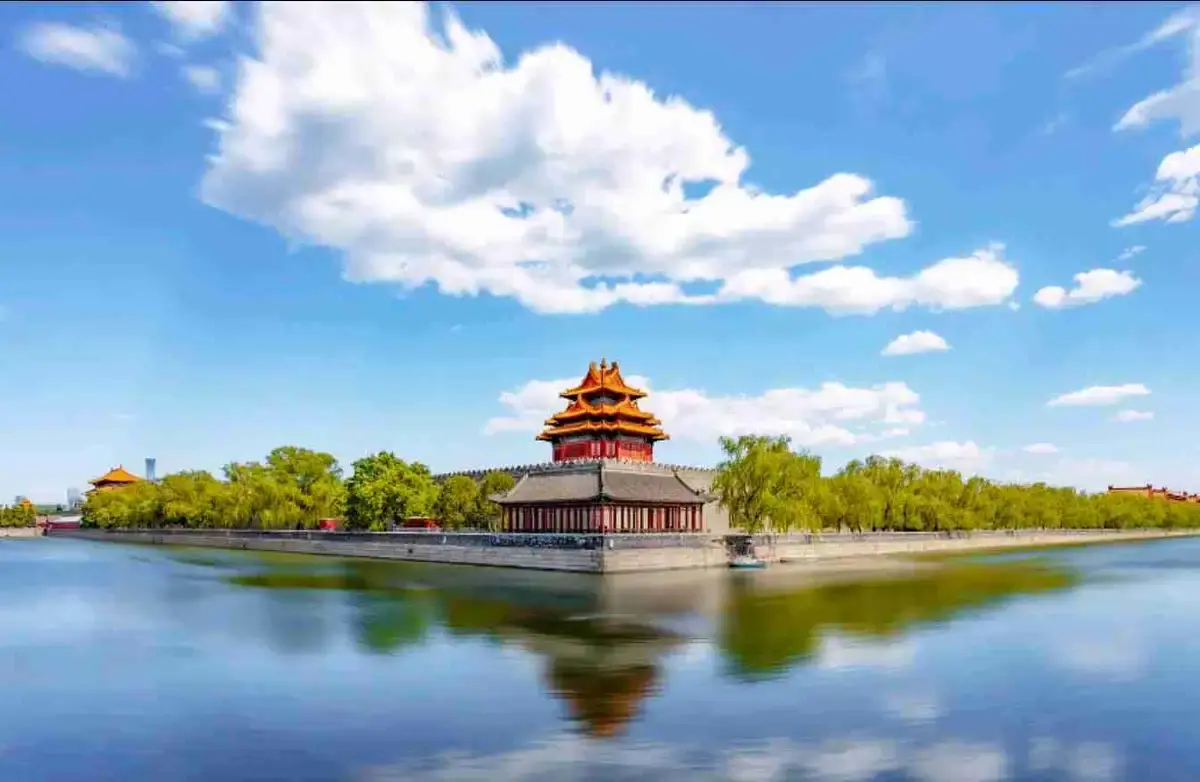
The Corner Tower (outside the walls, near Jingshan) is Beijing’s most photographed building — nine beams, eighteen columns and seventy-two ridges reflected in the moat. Shoot at sunrise (before 7:30) when the water is still, or at dusk when the wall lights come on. A polariser tames reflections; a 35–50mm lens frames the tower with the wall.
2. The Meridian Gate from across the moat
Enter the park west of Wumen for a head-on shot of the U-shaped Meridian Gate under a wide sky. Morning light falls softly on the red face; late afternoon gives you warm rim light. This is also the quietest famous spot in the whole complex.
3. Inner Golden Water bridges from the terrace
Right after security, climb the Meridian Gate terrace and look north: five marble bridges curve over the Inner Golden Water River. Shoot straight down the axis at 8:30–9:00 before tour groups arrive, using the bridges as leading lines.
4. Hall of Supreme Harmony, three ways
- Frontal hero shot: from the terrace edge with a 24–35mm lens; include the bronze crane for scale.
- Roof details: a 70–200mm compresses the ridge beasts and painted brackets into golden patterns — the ten beasts on the main hall are unique in China.
- The carved marble ramp behind the third hall: shoot in shade for even stone texture.
5. Red-wall alleys
The narrow lanes between inner-court walls glow with bounce light mid-morning. A 50mm at f/2 isolates a lone figure against the crimson corridor — this is the look behind countless viral photos. Mornings on the west side of the axis are quietest.
6. Imperial Garden corners
Ancient cypresses, painted pavilions and the Pavilion of Ten Thousand Springs reward slow looking. Shoot upward through branches in autumn when ginkgo turns gold (late October–early November).
7. Sunset from Jingshan Park
After exiting the north gate, climb to Jingshan’s central pavilion for the definitive panorama: a golden sea of roofs fading into Beijing’s skyline. Arrive 45 minutes before sunset; a 70–200mm isolates the great halls, a wide lens catches the whole city. Tripods are technically restricted — bring a light travel tripod or rely on railings.
Practical photo tips
- Best light: 8:30–10:00 and 15:30–17:00; midday sun flattens red walls and blows out gold roofs.
- Best seasons: snow in winter, peach blossoms in April, ginkgo in late October (see our season guide).
- Drones are strictly prohibited anywhere over the palace.
- Tripods and large rigs need approval; phones and small cameras are fine.
- Enter at 8:30 with a pre-booked ticket — Trip.com confirms instantly by email, and Klook works just as well.
Photographers rate the palace 4.9/5 on Trip.com for a reason — one reviewer called it “impossible to capture with photos; it must be felt.” Bring a spare battery, arrive at opening, and let the symmetry do the rest. For hours and entry rules, check the Visitor Guide.
Keep reading
Best Time to Visit the Forbidden City: A Season-by-Season Guide
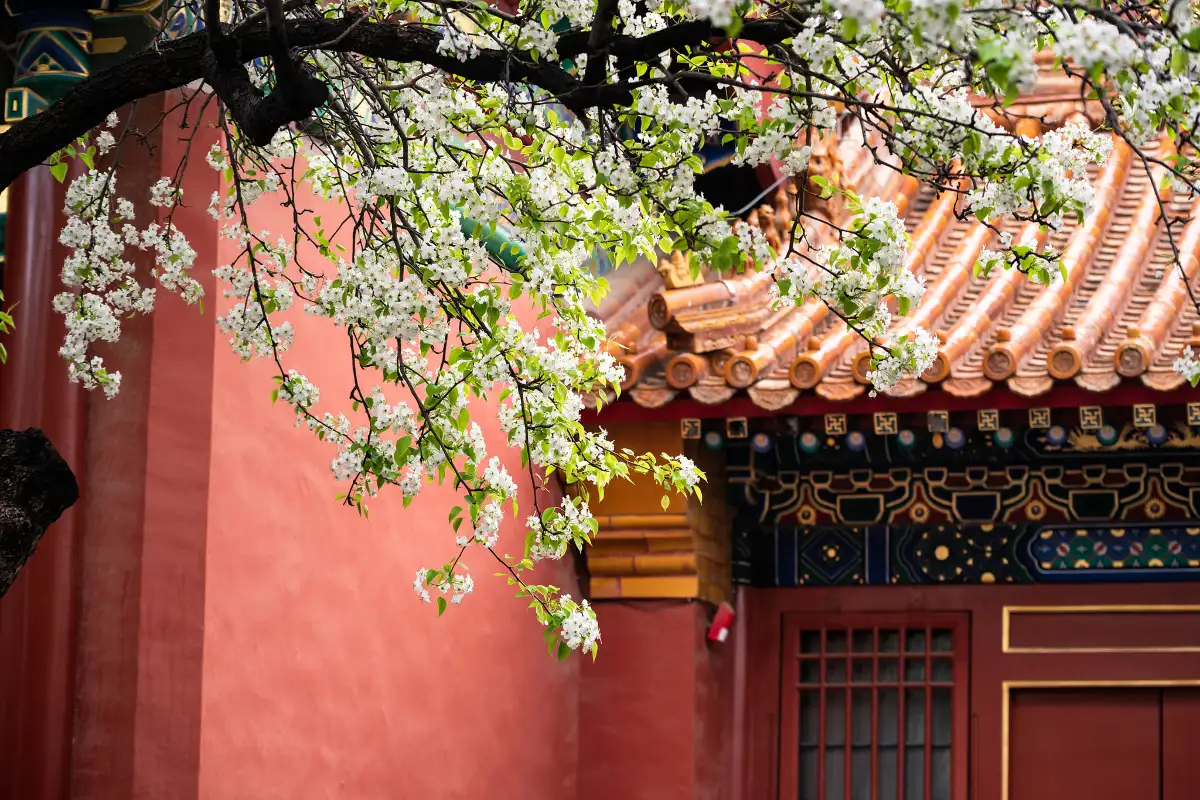
Snow-dusted roofs in January, peach blossoms in April, golden ginkgo in November — the Palace Museum changes i…
Read guide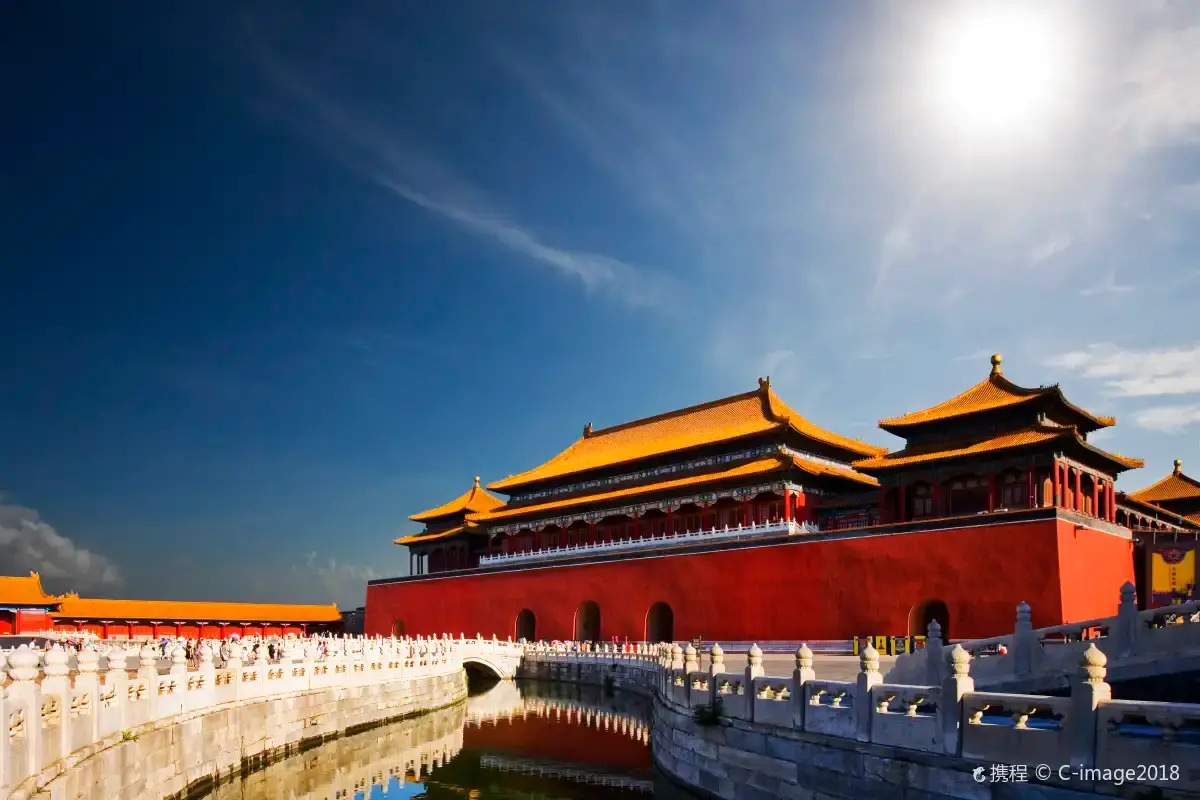
Forbidden City Tickets 2026: Prices, Booking Rules & How to Skip the Line
The Palace Museum sells no tickets at the gate — everything is booked in advance under your passport. Here are…
Read guide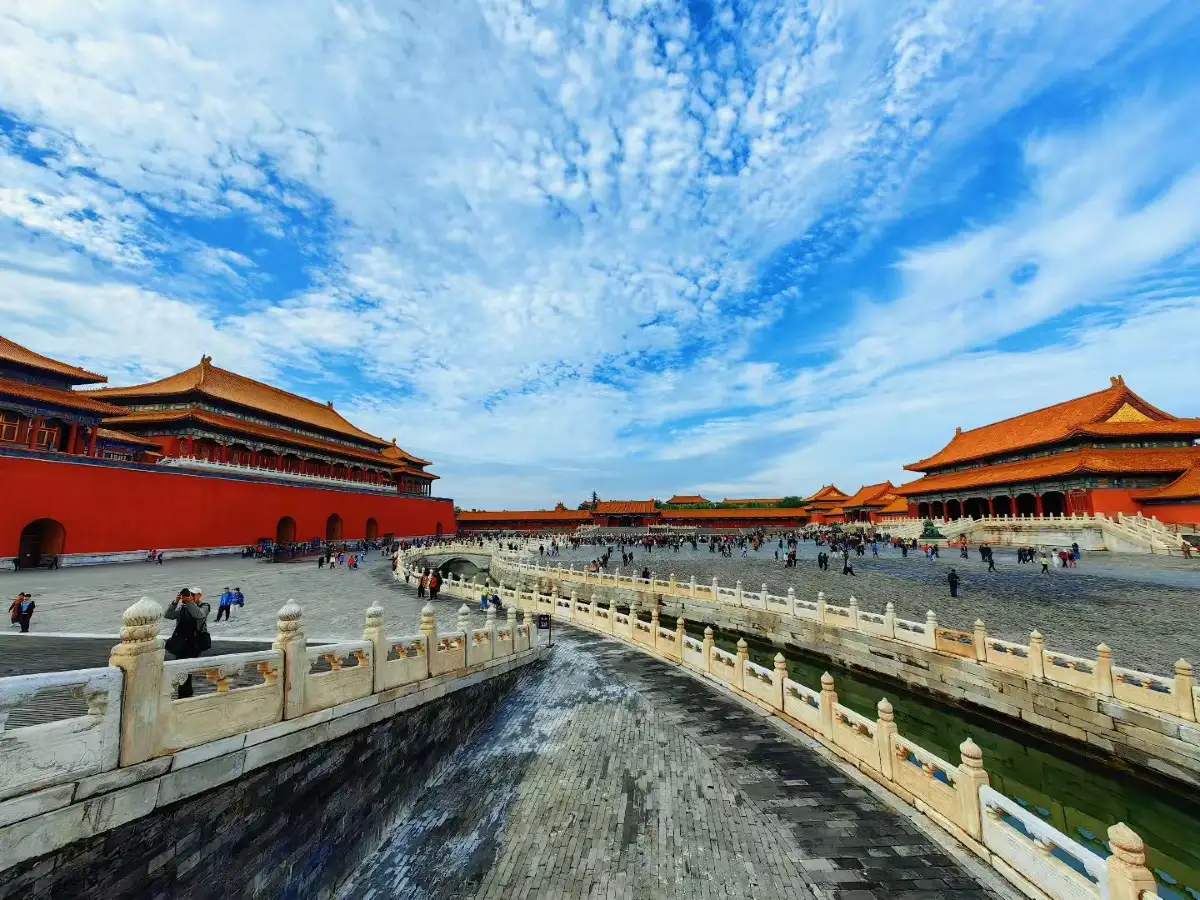
Perfect Routes Through the Palace: 2 Hours, Half Day or Full Day
The Forbidden City is a 961-metre-long city of nearly 9,000 rooms. Whether you have two hours or a whole day,…
Read guide